Cessna Nose Gear Strut Assembly: Aircraft Landing Gear Support and Shock Absorption
Cessna Nose Gear Strut Assembly: Aircraft Landing Gear Support and Shock Absorption
Blog Article
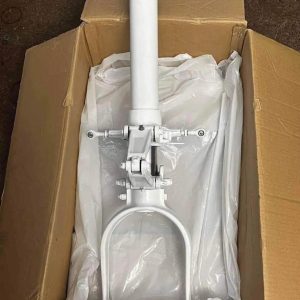
The Cessna Nose Gear Strut Assembly may serve as a replacement, overhaul, restoration, maintenance, or spare-inventory component when its exact part number, configuration, condition, and applicability are confirmed.
Whether buyers search for a Cessna Nose Landing Gear Strut, Cessna Nose Gear Assembly, Cessna Landing Gear Strut, or Cessna Nose Strut, exact part identification should guide the purchase.
A Cessna Front Landing Gear Assembly may include an Aircraft Nose Gear Strut, wheel fork, steering parts, attachment hardware, seals, bearings, and other model-specific components.
A Cessna Nose Gear Shock Absorber may use fluid, gas pressure, mechanical movement, or another model-specific arrangement to manage landing and taxi loads.
The Cessna Steering Strut Assembly, Cessna Replacement Nose Gear, and General Aviation Landing Gear Parts keywords describe commercially relevant searches for maintenance and restoration projects.
Key Details of an Aircraft Nose Strut
The assembly should be identified through its Cessna part number, casting or forging numbers, serial markings, aircraft applicability, dimensions, configuration, photographs, maintenance records, and available illustrated-parts information.
Informal descriptions such as complete or ready to install should be supported by an exact inventory.
Managing Taxi and Landing Forces
System-level evaluation is essential when selecting or inspecting the component.
Professional structural review protects the aircraft and the Replacement Nose Gear installation.
Managing Landing and Taxi Impacts
The exact method may involve hydraulic fluid, compressed gas, seals, metering features, mechanical components, or a combination determined by the aircraft design.
Incorrect pressure or fluid quantity can influence ground clearance, steering, ride quality, and structural loading.
Evaluating Ground Steering Geometry
The nose gear may interact with the aircraft steering system through collars, torque links, rods, springs, cables, stops, bushings, or other model-specific mechanisms.
Excessive turning read more can damage linkage, hoses, fairings, fork components, or internal strut features depending on the design.
Avoiding Universal Cessna Fitment Claims
Two aircraft with similar outward appearance may use different struts, forks, cylinders, steering features, hardware, or mounting arrangements.
The donor aircraft may provide useful history but does not independently establish eligibility for another aircraft.
Protecting Smooth Strut Operation
Detailed inspection supports reliable Aircraft Nose Gear Strut evaluation.
The cylinder bore, piston diameter, and relevant clearances may require professional measurement.
Understanding Strut Seal Maintenance
Fluid leakage around the piston, seals, fittings, plugs, or servicing points can indicate deteriorated seals, damaged surfaces, loose components, contamination, or incorrect assembly.
Seal grooves, backup rings, scrapers, and retaining components should be checked when the assembly is opened.
Protecting Cessna Landing Gear Components
Corrosion may develop on external surfaces, inside bores, around fasteners, beneath paint, near mounting points, or within neglected fluid areas.
Fresh paint may improve appearance while concealing corrosion, filler, weld repairs, or damaged surfaces.
Determining the Need for Nondestructive Testing
The absence of obvious damage in photographs does not establish structural integrity.
The seller should disclose the donor aircraft’s removal reason and known incident history.
Maintaining Wheel and Tire Geometry
Fork alignment influences wheel tracking, steering response, tire wear, and clearance around fairings or nearby components.
Professional assembly supports dependable Cessna Nose Wheel Strut performance.
Inspecting Landing Gear Articulation Components
Bushings, bolts, washers, bearings, and attachment holes should be inspected for wear, elongation, corrosion, looseness, and inadequate lubrication.
Lubrication should follow the applicable schedule and use the appropriate product.
Evaluating Wheel Alignment and Steering Play
Replacing the strut assembly alone may not correct the concern if other components remain defective.
Professional evaluation promotes smoother ground handling and longer component life.
Understanding Strut Inflation Procedures
Values from another Cessna model should not be applied without verification.
Extension should be evaluated under the loading condition specified by applicable maintenance data.
Rebuilding a Cessna Nose Gear Strut
A seal replacement or exterior repaint does not necessarily constitute a complete overhaul.
Reconditioning decisions depend on structural condition, dimensional limits, corrosion depth, surface damage, repair data, parts availability, and cost.
Aircraft Nose Gear Buying Guide
A pre-purchase review should confirm the exact part number, configuration, aircraft applicability, serial markings, dimensions, included components, removal reason, condition, repair history, and documentation.
- Determine whether the wheel, tire, bearings, spacers, steering links, hardware, servicing fittings, records, and release documents are included.
- Inspect or document corrosion, cracks, bends, scoring, pitting, leakage, chrome damage, worn bushings, loose pivots, elongated holes, damaged threads, fork alignment, and previous repairs.
- Require packaging that supports the strut and protects the piston surface, cylinder, fork, axle, steering components, fittings, identification markings, records, and loose hardware from impact, corrosion, and movement.
Protecting the Landing Gear Strut in Transit
Loose hardware should be labeled, wrapped, and secured separately.
The component should remain immobilized so it cannot roll, slide, or strike the container during transportation.
Maintaining Landing Gear Identification
The piston surface should remain covered without using materials that promote corrosion or seal deterioration.
Preservation materials should be removed through appropriate procedures.
Professional Installation of the Nose Gear Strut
Installation should be completed by appropriately qualified aviation maintenance personnel using applicable Cessna airframe, landing-gear, steering, and component information.
Disciplined workmanship supports reliable Cessna Front Landing Gear Assembly operation.
A ground check should not replace required maintenance inspection or technical documentation.
Routine Inspection and Preventive Maintenance
Small leaks, corrosion, looseness, tire wear, damaged coatings, unusual noise, or shimmy should receive timely attention.
Preventive care protects the aircraft, occupants, and landing-gear components.
Landing Gear Ownership and Installation Costs
Clean paint may improve presentation but does not replace structural, dimensional, and functional evaluation.
Total project cost may include the purchase price, freight, inspection, seals, bushings, bearings, hardware, wheel or tire components, overhaul labor, servicing, alignment, installation, and documentation.
Selecting General Aviation Landing Gear Parts
For a properly matched Cessna aircraft, the assembly can support dependable ground handling when professionally inspected, serviced, installed, and maintained.
The unit should not be judged solely through clean paint, smooth compression, removed-serviceable wording, or purchase price.
Whether the product is described as a Cessna Nose Gear Shock Absorber, Cessna Landing Gear Assembly, Aircraft Landing Gear Strut, or Cessna Nose Wheel Strut, aircraft-specific compatibility remains essential.
With complete evaluation and continued care, the Cessna Nose Gear Strut Assembly can deliver a professional combination of structural support, shock absorption, steering stability, replacement value, and general aviation application potential.
Report this page